
IPTL
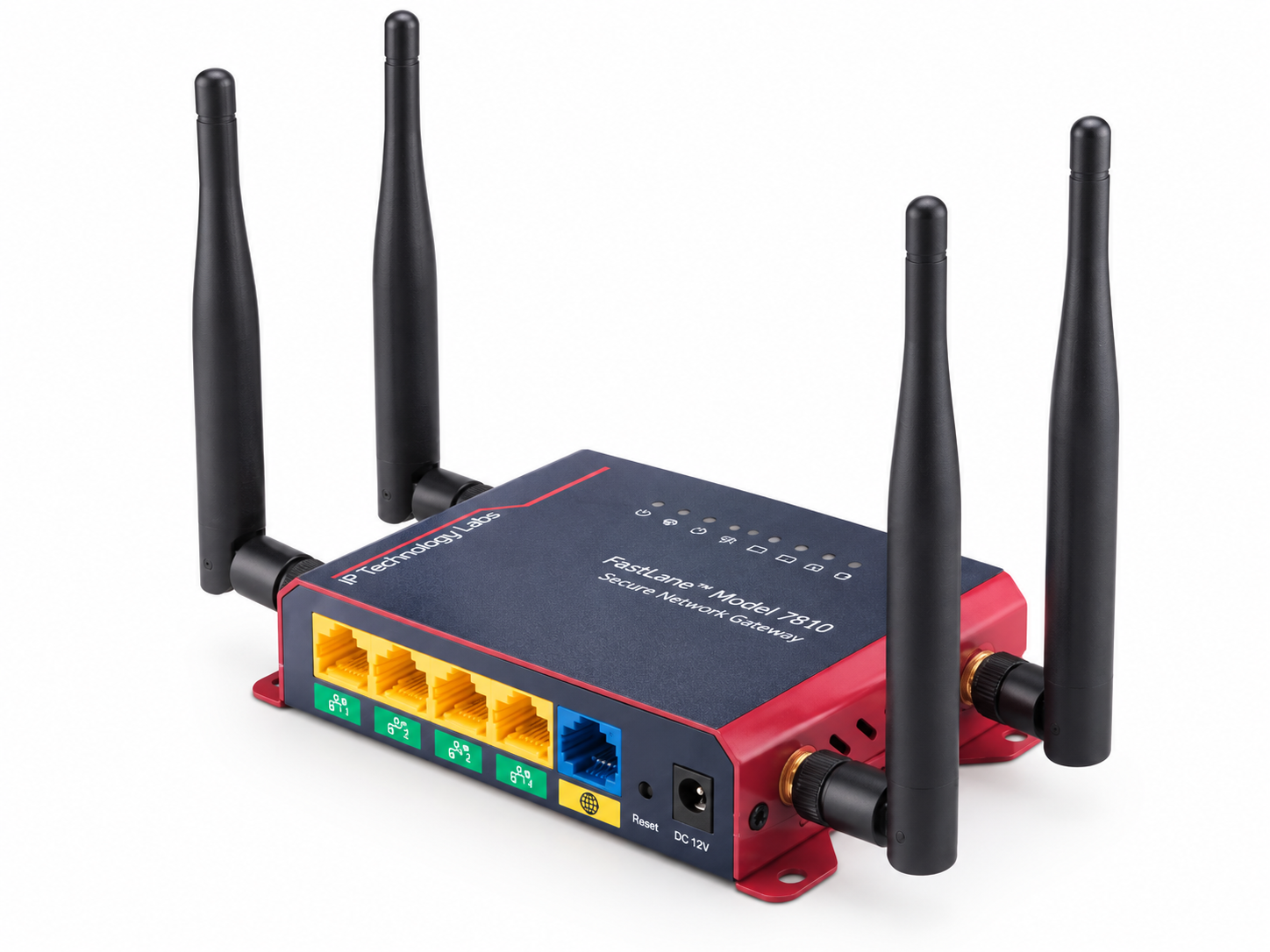
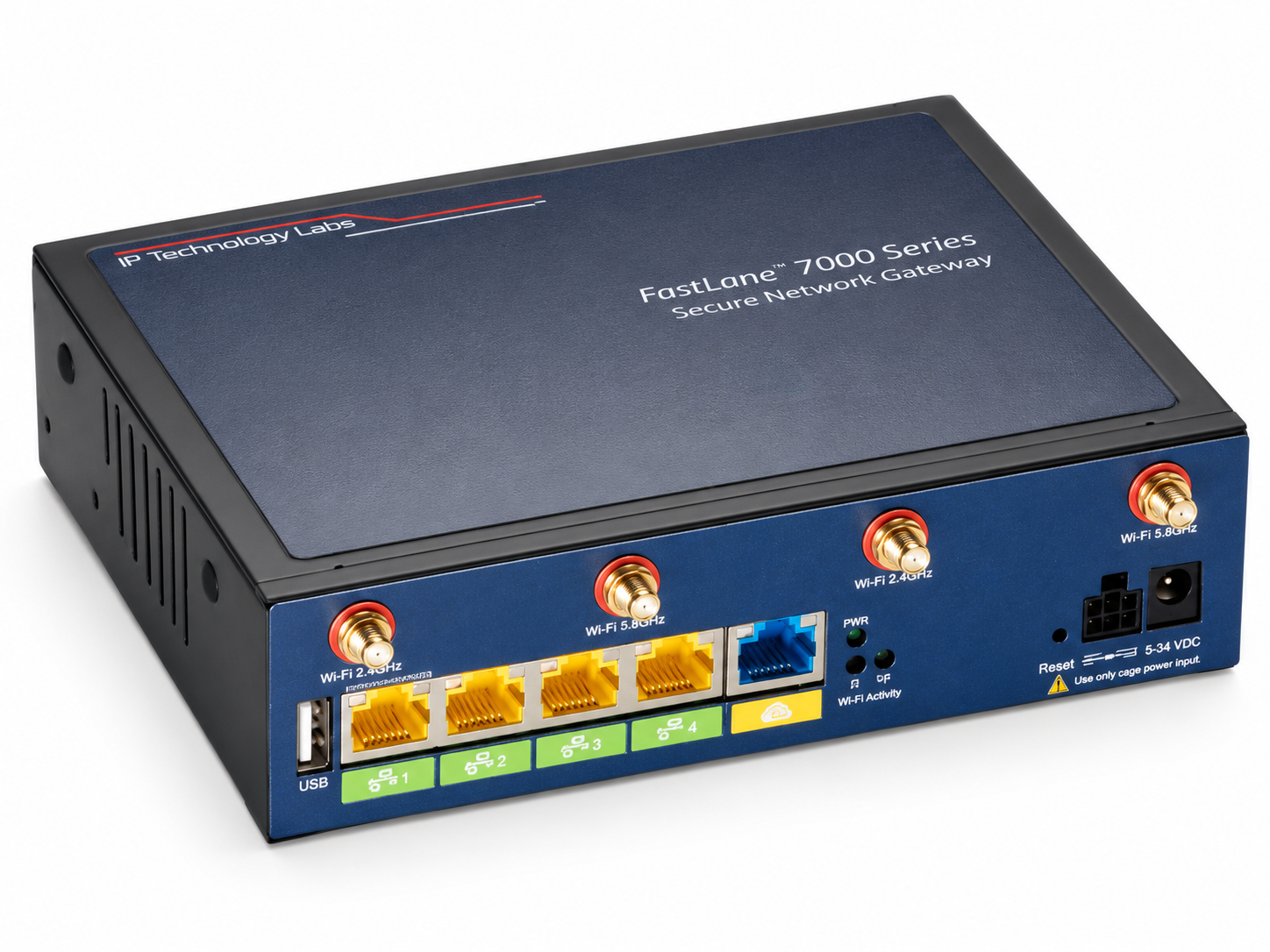
IPTL is positioned as more than a conventional VPN: edge networking appliances designed to connect any device over any network with simpler deployment, resilience, privacy and remote management.

Everything you need before making the decision
IPTL is positioned as more than a conventional VPN: edge networking appliances designed to connect any device over any network with simpler deployment, resilience, privacy and remote management.
Dynamic IP and NAT without traditional tunnel friction
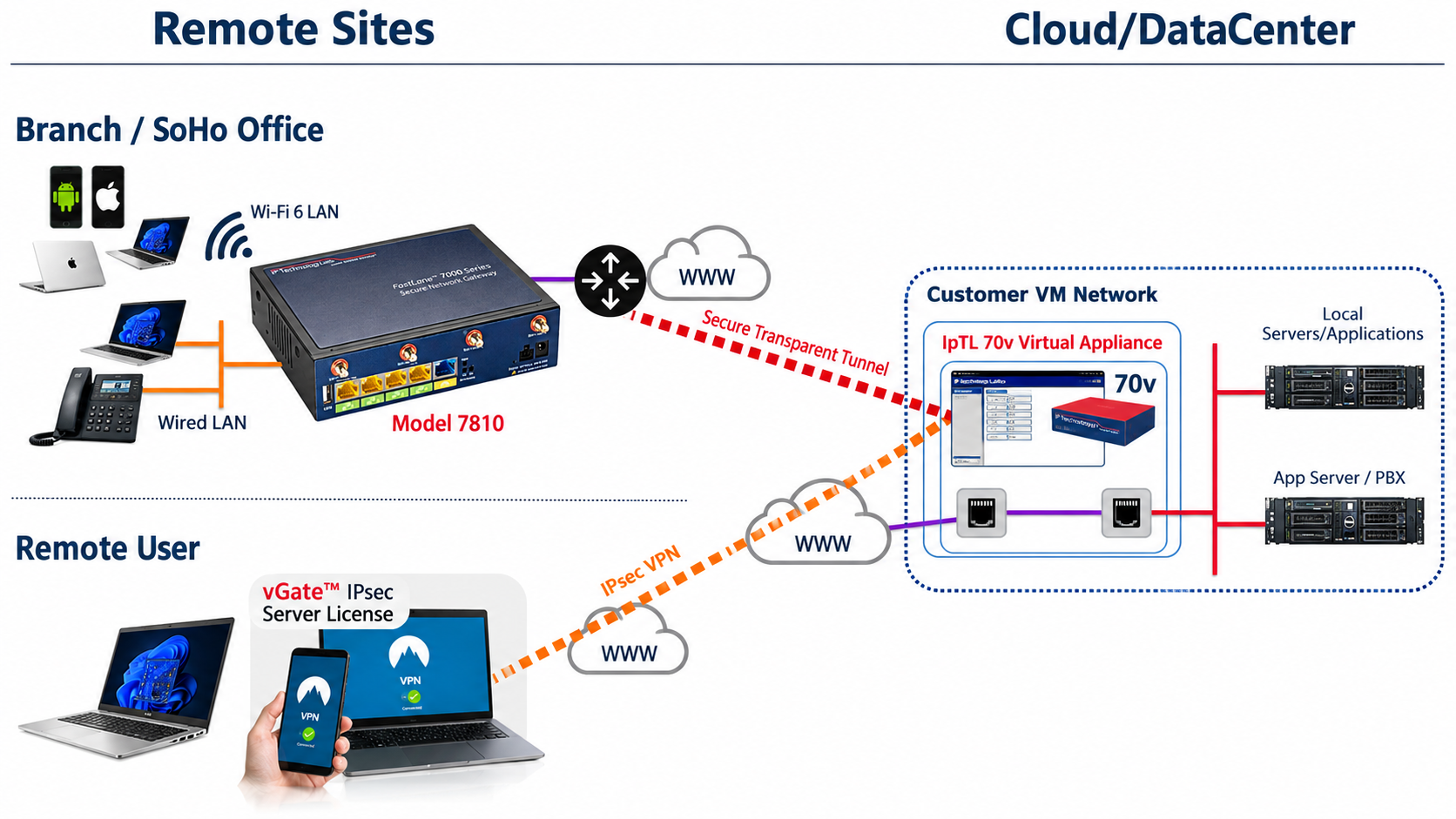
IPTL can operate with Dynamic IP on both ends and behind NAT, firewalls or routers, while carrying routed networks, VLANs and Ethernet-connected devices without requiring a static public IP at every site.
- Dynamic IP on both ends
- NAT / nested NAT
- VLAN trunking and QinQ
- Device-independent Ethernet connectivity
- xDSL, cable, cellular and other networks
Branches, CCTV, VoIP, biometric and access-control backhaul
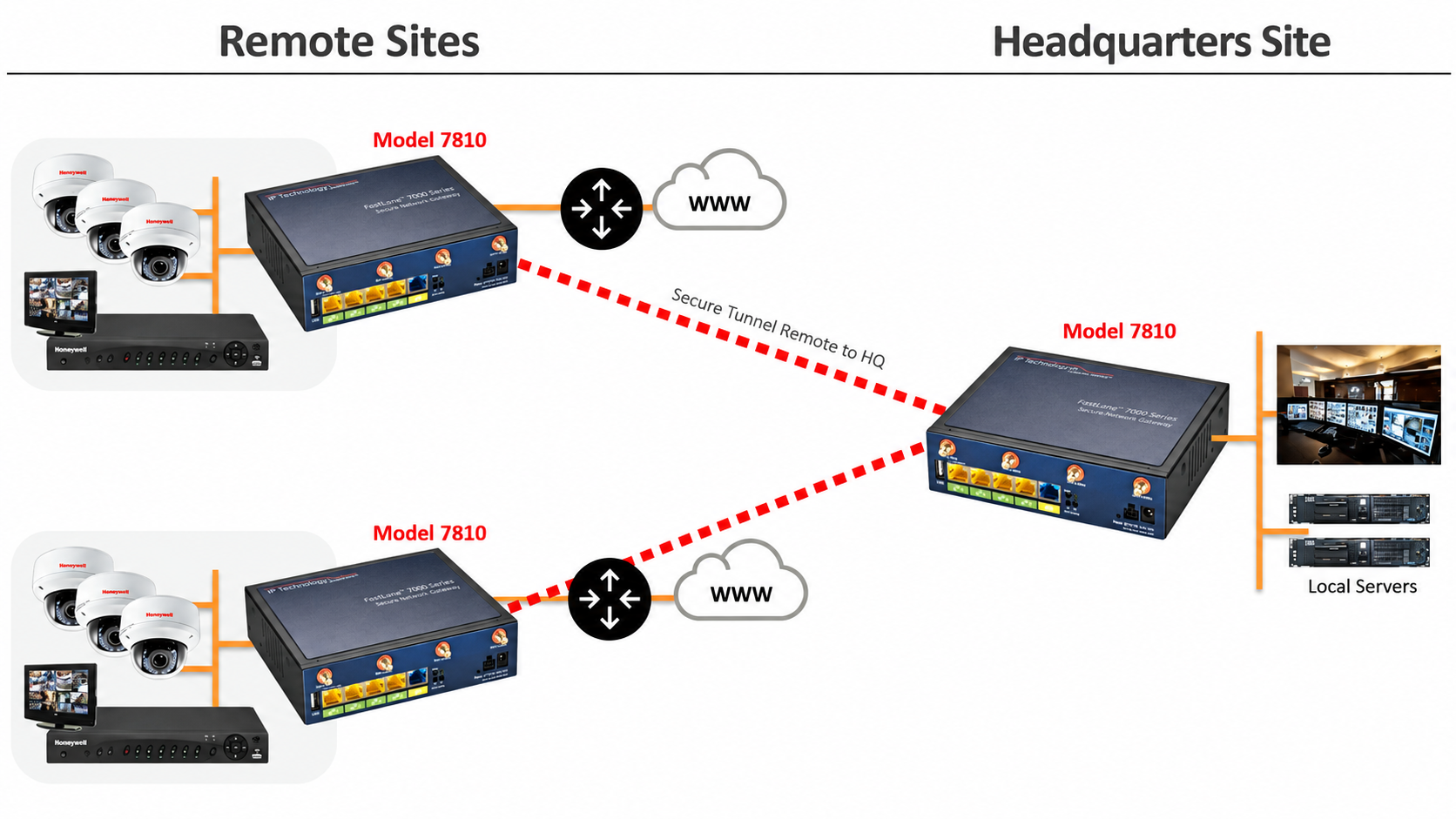
IPTL supports site-to-site WAN connectivity, CCTV and access-control backhaul to NVR/NOC, and secure access to ERP, printers, VoIP, fingerprint readers and remote IT/OT devices.
- Branch WAN connectivity
- CCTV to NVR / NOC
- Access control
- VoIP / UC
- Fingerprint readers
- IT / OT devices
Certificate identity and dynamic keys
The documented security stack includes TLS 1.2, AES256, X.509 certificates and dynamic keys instead of preshared keys, with Zero Trust, microsegmentation, ACLs and DNS filtering available across the platform.
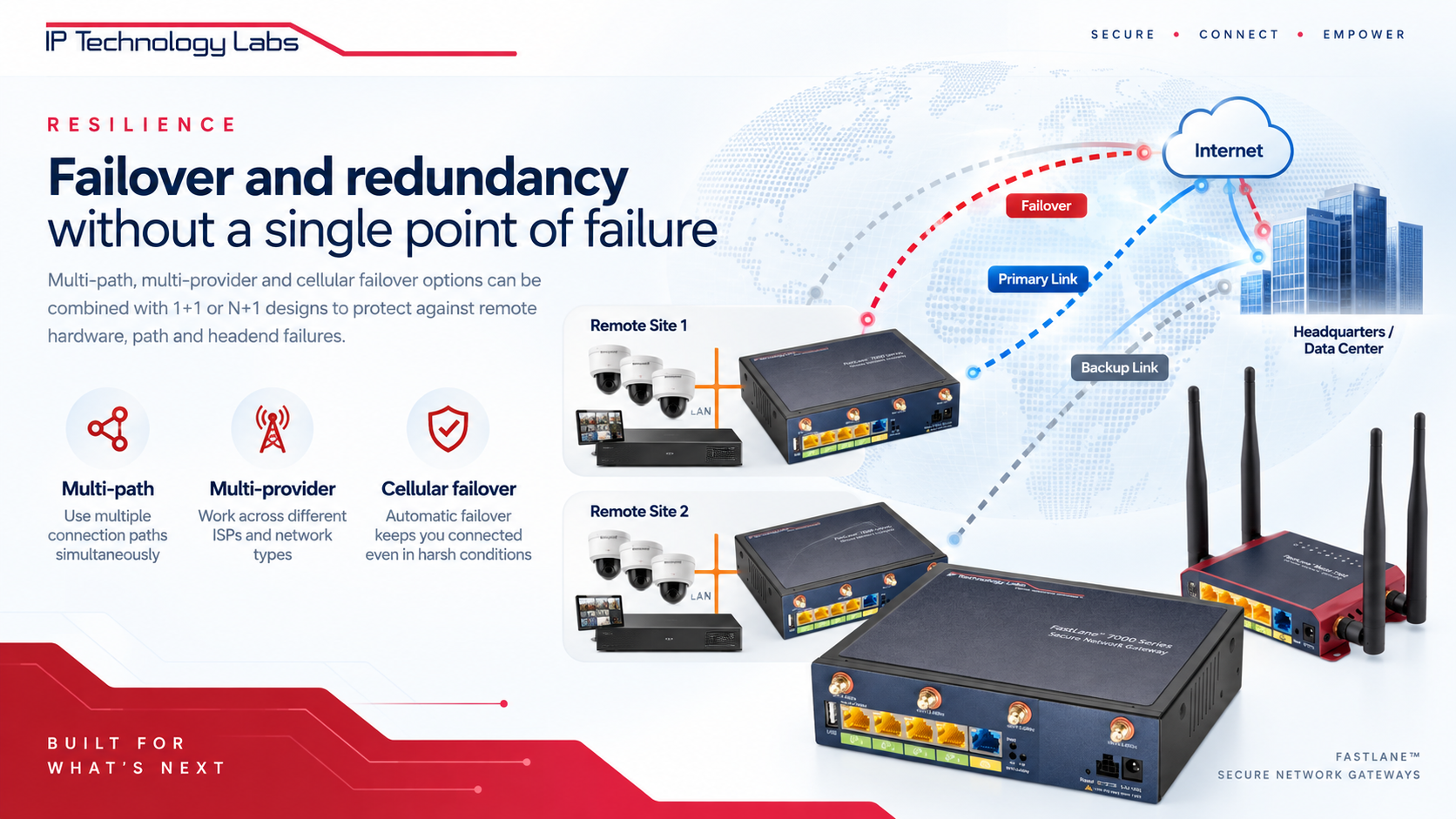
Failover and redundancy without a single point of failure
Multi-path, multi-provider and cellular failover options can be combined with 1+1 or N+1 designs to protect against remote hardware, path and headend failures.
- Multi-path / multi-provider
- Cellular failover / restore
- 1+1 and N+1 redundancy
- Hardware, path and headend protection
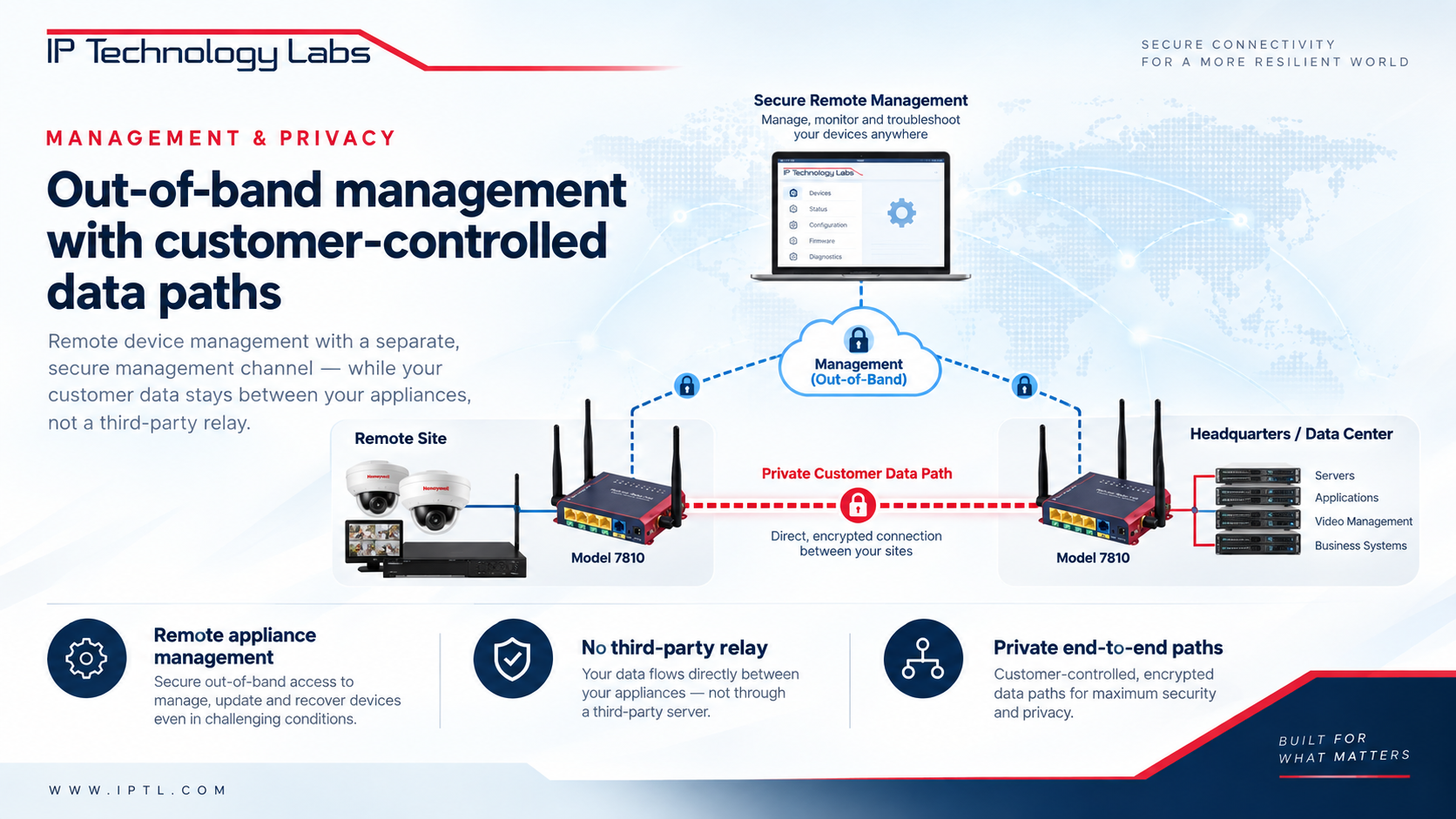
Out-of-band management with customer-controlled data paths
ViewPoint provides out-of-band access to appliance management, while IPTL documentation states that customer data stays between customer appliances rather than traversing a P2P relay or third-party transit server.
- Remote appliance management
- Reduced truck rolls
- No P2P relay in the customer data path
- Customer-controlled connectivity
Frequently Asked Questions
Does IPTL require a static public IP?
The product documentation states that links can operate with Dynamic IP and behind NAT/firewalls on both ends, depending on the deployment design.
Can IPTL be used only for cameras?
Yes. CCTV and access-control backhaul to NVR/NOC is a documented use case, while the same platform can also connect branches and other Ethernet devices.
Does customer traffic traverse a cloud relay?
The product profile states that customer data remains between customer appliances rather than using a P2P relay or third-party transit server.
Tell us what you need and we will define the right scope
We start by understanding the current environment and requirements, then define the right solution, scope and deliverables.